Understanding Streaming Current Detectors: A Comprehensive Guide
In many industrial processes, monitoring the buildup of static charge is crucial for efficiency and safety. This is where a Streaming Current Detector (SCD) plays a vital role. These devices detect the electrical charge carried by particles within a fluid flow, providing valuable insights into process conditions. This article provides an in-depth look at SCDs, their applications, benefits, and how to choose the right one for your needs. Properly understanding SCD technology is paramount for optimizing performance and preventing costly issues in various industries.
What is a Streaming Current Detector?
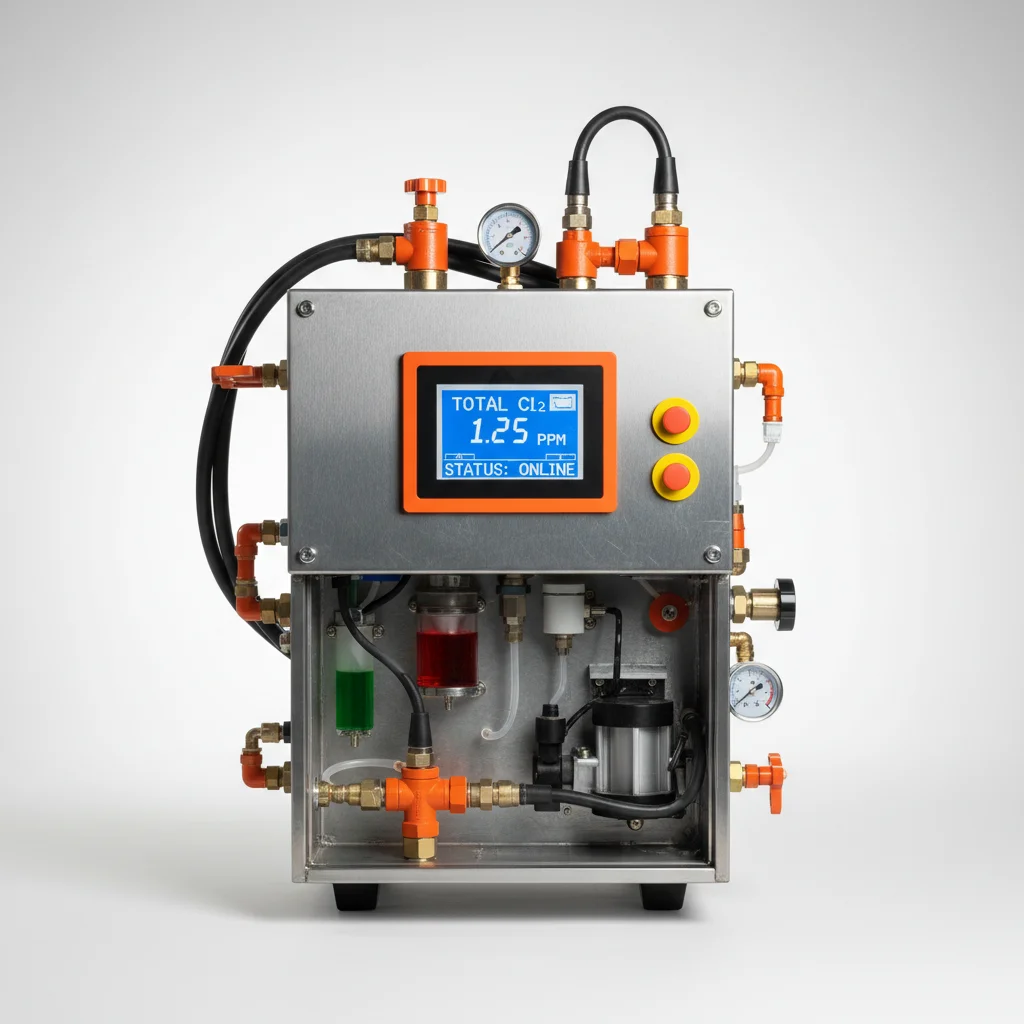
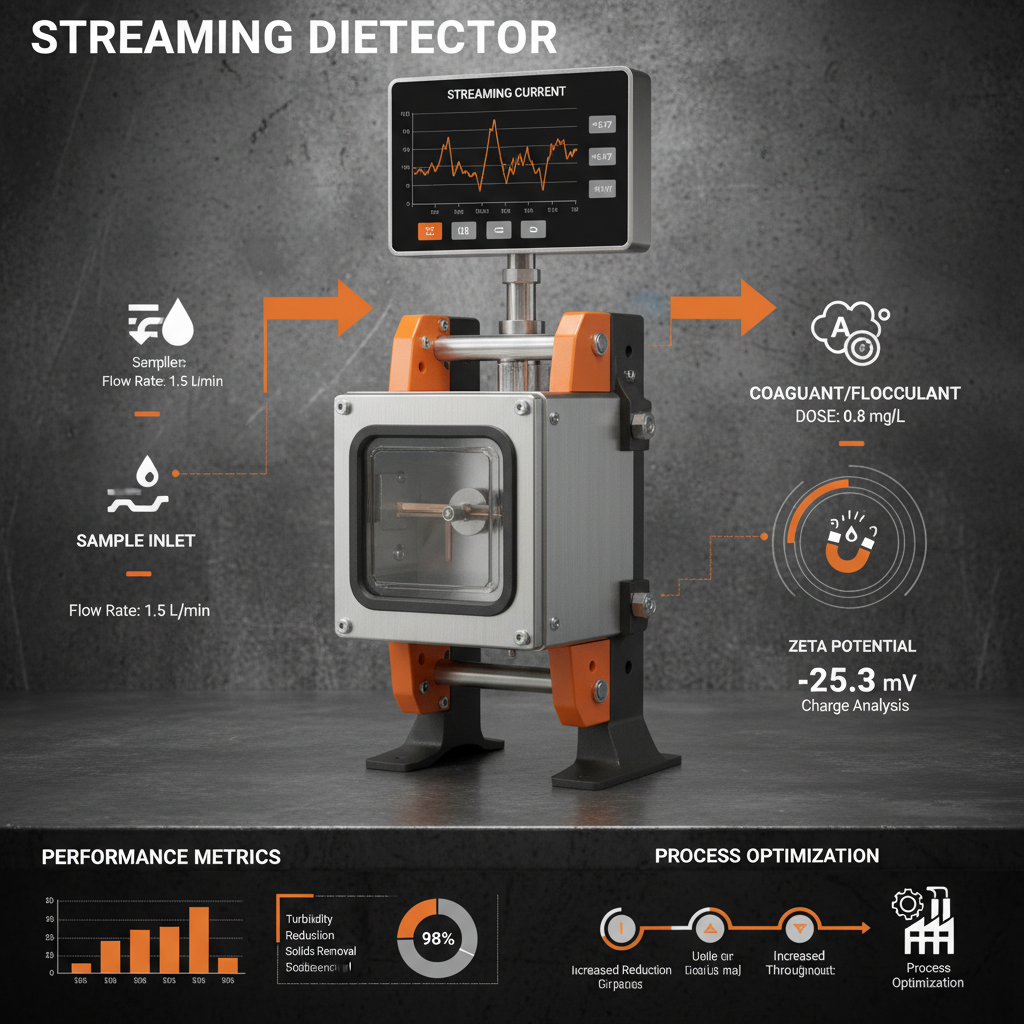
A Streaming Current Detector, or SCD, is an instrument used to measure the streaming potential—the electrical charge generated when a liquid flows through a porous medium or over a surface. This charge, known as streaming potential, is directly proportional to the amount of polar contaminants present in the fluid. By detecting this current, SCDs provide real-time monitoring of impurities like clays, fines, and other charged particles. This is particularly valuable in industries dealing with water treatment, oil & gas, paper manufacturing, and mining, allowing for proactive adjustments to optimize processes and prevent operational problems. The core principle relies on the fact that as a fluid flows, ions are drawn along, creating a measurable electrical current.
Key Takeaway: SCDs measure the electrical charge generated by fluid flow, providing insight into the level of contamination and helping optimize processes.
Applications of Streaming Current Detectors
The versatile nature of SCDs leads to their application in various industrial settings. In water treatment, they’re instrumental in optimizing coagulant dosage, ensuring efficient removal of suspended solids. In oil & gas, SCDs monitor emulsion stability, preventing pipeline blockages and maximizing oil recovery. Paper manufacturers utilize SCDs to control pitch deposition, improving paper quality and reducing downtime. Mining operations benefit from SCDs by monitoring clay content in slurries, enhancing mineral separation. Furthermore, SCDs are finding increasing use in chemical processing for quality control and process optimization. Choosing the right SCD for your specific application is essential for accurate and reliable results. Jensprima’s SCD solutions are designed to tackle a broad range of these challenges.
Key Application Areas:
• Water & Wastewater Treatment
• Oil & Gas Production
• Paper & Pulp Manufacturing
• Mining and Mineral Processing
Streaming Current Detector Technology and Types
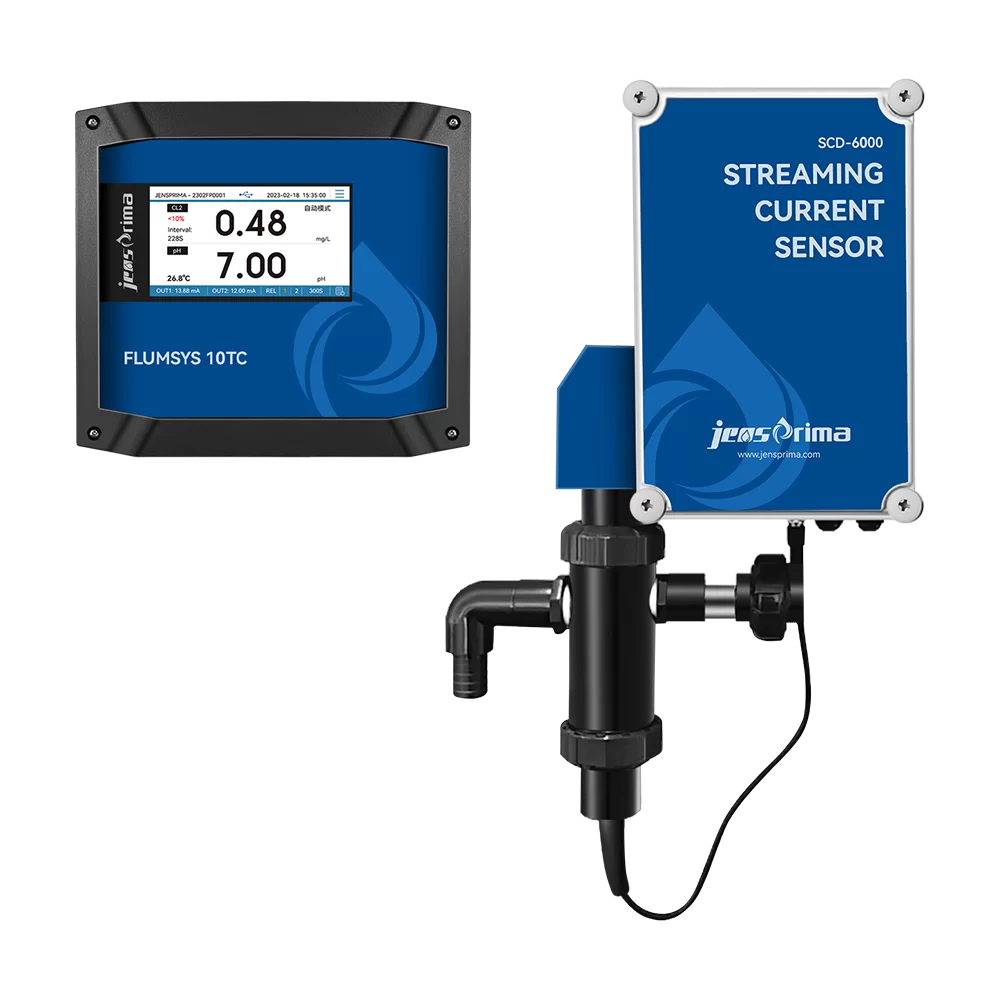
SCDs typically operate based on the principle of measuring the voltage drop across a high-impedance electrode pair immersed in the flowing fluid. Different types of SCDs cater to specific needs. Inline SCDs are installed directly in the pipeline for continuous monitoring, while laboratory SCDs are used for off-line sample analysis. Some advanced models feature automatic zeroing and temperature compensation for enhanced accuracy. Furthermore, digital SCDs offer data logging capabilities and connectivity for remote monitoring and control. The choice of SCD type depends on factors like process requirements, installation constraints, and desired level of automation.
| Feature |
Inline SCD |
Laboratory SCD |
| Installation |
Directly in the process pipeline |
Off-line sample analysis |
| Monitoring |
Continuous, real-time |
Periodic, sample-based |
| Cost |
Generally higher initial cost |
Lower initial cost |
| Automation |
Easily integrated with control systems |
Typically requires manual data entry |
Benefits of Using a Streaming Current Detector
Implementing an SCD provides numerous benefits. Optimized chemical usage translates to significant cost savings. Early detection of process upsets prevents costly downtime and product quality issues. Improved process control leads to increased efficiency and higher product yields. Real-time monitoring empowers operators to make informed decisions and proactively address potential problems. Furthermore, SCDs contribute to environmental compliance by minimizing chemical discharge. Choosing a reliable SCD, such as those offered by Jensprima, ensures you reap these benefits.
Selecting the Right Streaming Current Detector
When selecting an SCD, consider factors like the fluid type, temperature, pressure, and expected range of streaming current. Accuracy, reliability, and ease of maintenance are also crucial considerations. Ensure the SCD is compatible with your existing process control system. Look for features like automatic zeroing, temperature compensation, and data logging capabilities. Finally, choose a reputable supplier with a proven track record of providing high-quality SCDs and excellent customer support. Jensprima’s expert team can assist you in selecting the optimal SCD for your specific application.
Conclusion: Maximize Process Control with Streaming Current Detection
Investing in a Streaming Current Detector is a proactive step towards optimizing your industrial processes. By providing real-time insights into fluid contamination, SCDs empower you to reduce costs, improve efficiency, and enhance product quality. Don't leave process control to chance – embrace the power of SCD technology.
Frequently Asked Questions (FAQs)
What is the typical response time of a Streaming Current Detector?
The response time of an SCD varies depending on the model and the specific application. However, most modern SCDs offer a response time of a few seconds, allowing for real-time monitoring of process changes. This rapid response is crucial for detecting upsets quickly and implementing corrective actions before they escalate. Factors such as fluid flow rate and sensor location can also influence response time. Faster response times enable more precise process control and minimize the impact of disturbances.
How often does an SCD require calibration?
The frequency of SCD calibration depends on the severity of the application and the desired level of accuracy. As a general guideline, SCDs should be calibrated at least annually, or more frequently if they are exposed to harsh conditions or experience significant drift. Regular calibration ensures the SCD provides reliable and accurate readings, allowing for optimal process control. It's recommended to follow the manufacturer’s recommendations for calibration procedures and intervals.
Can an SCD be used to monitor multiple fluids?
While some SCDs can be used with multiple fluids, it’s crucial to ensure compatibility between the sensor materials and the fluids being monitored. Different fluids may have varying chemical properties that could affect the sensor's performance or lifespan. Proper cleaning and purging procedures are also necessary to prevent cross-contamination. Selecting an SCD specifically designed for the intended range of fluids will ensure accurate and reliable measurements. Contact Jensprima’s specialists to discuss your specific needs.
What are the common causes of errors in SCD measurements?
Common sources of error in SCD measurements include air bubbles in the fluid, fouling of the electrodes, temperature fluctuations, and electrical interference. Ensuring a stable fluid flow, maintaining clean electrodes, and providing adequate shielding can minimize these errors. Proper grounding and calibration are also essential. Furthermore, using high-quality SCDs with advanced features like temperature compensation and automatic zeroing can improve measurement accuracy.




 Download
 Video Center
 Technical Services
 FAQS
FAQS Service Network
 Privacy Policy
 Contact Us





 LEARN MORE